SanePods Pro
The world of ANC and why I never leave home without my AirPods Pro.
Reading time: 5-7 minutes | ✔ This post is not sponsored and there are no affiliate links.
I spent months, desperately trying to find a sympathetic Doctor who wouldn’t look at me like I was a lunatic the moment I opened my mouth. “I feel like my heart’s going to explode” is quite the conversation starter and thankfully my cardiologist, to my relief, leant back in his chair and started nodding agreeably as I reeled off my list of whacky, wonderful symptoms.
It was such a relief to get that torturous list of complaints off my chest. To have someone listen attentively.
As he leant forward I braced myself for some probing questions about my heart. How often does this happen? Have you been measuring your heart rate? Do you feel breathless?
Instead, I was greeted with “do you wear sunglasses?”
[awkward pause]
As I attempted to wipe the look of bewilderment off my face and prepare a suitable response, he followed up with “do you wear them when other people don’t seem to need them?”.
Yes. I replied.
“Pupils that dilate in bright light, it seems, are a subtle sign of a troubled autonomic nervous system”
To my great relief my Doctor wasn’t making small talk. He’d spotted tell tale signs of a medical condition in amongst my gibberish. Pupils that dilate in bright light, it seems, are a subtle sign of a troubled autonomic nervous system and this, coupled with my truck load of other symptoms, all pointed towards one thing. Following tests, I was diagnosed with Multi-systemic Dysautonomia.
If you’ve not encountered it before, Dysautonomia is an umbrella term for disorders of the autonomic nervous system. It relates to any condition where your body’s automatic functions (the ones you shouldn’t have to think about) aren’t working properly. So we’re talking blood pressure, breathing, sweating, heart rate, body temperature, swallowing and, lest we forget, pupil dilation (to name but a few).
Postural Orthostatic Tachycardia Syndrome (PoTS) for example, a condition that typically sees you having uncontrollable dizziness and palpitations when you stand up, is one such member of the Dysautonomia club. Apparently I had that too.
Although I was diagnosed in my late 30’s, I’ve had Dysautonomia my whole life. “Whoops I stood up too quickly” is something of a mantra in my family and I’ve taken many a table lamp with me on my frequent trips to the floor.
Aside from face-planting floors, dizziness, palpitations, agitation and mood swings, one particularly tricky symptom I experience is sensory overload.
Dysautonomia can push you into a near constant state of Fight or Flight and that “always on” state means the sights and sounds of the outside world often feel like they’ve been cranked up to 100.
The sensory overload episodes had been few and far between for most of my life but following Covid, when my Mast Cell Activation Syndrome went bat shit crazy, the sensory overload got a lot worse and I become desperate for a solution. I needed something that could help me drown out the world when it got too much, or at least take the edge off of it.
As it happens, the unlikely solution was hidden in plain sight.
“It was following a melt down in a noisy supermarket that I decided enough was enough”
Cue AirPods
Those little white earbuds everybody wears on the bus, on zoom calls and at the gym - they’re Apple’s AirPods Pro - and I’ve recently discovered there’s a reason everybody wears them.
Now, I’ll admit I’m a bit of a closeted Apple fanboy. I’ve used Macs for years (long before they were cool - I’m old!) but didn’t feel compelled to advertise that fact so I avoided purchasing a pair of AirPods for years.
It was following a melt down in a noisy supermarket that I decided enough was enough - and I started looking into noise-cancelling headphones. I had an iPhone anyway so finally gave in and bought a pair of AirPods Pro.
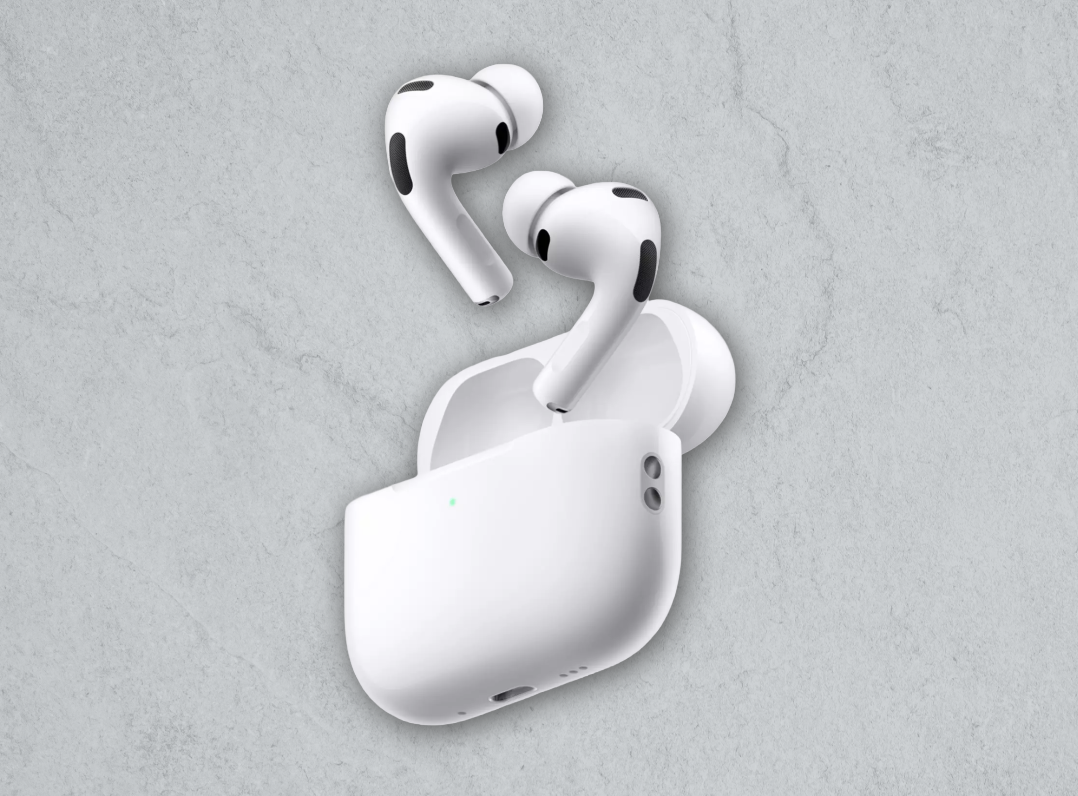
Apple AirPods Pro 3
Game Changer
First up, yes, AirPods are seriously good ear buds for music. I’m a musician and love the way they’re engineered for sound. It’s hard to believe such rich, crisp, detailed sound and thumping bass can come out of something so tiny. I guess this is why they’re so popular.
But it’s the not-so-obvious features that completely change the sensory overload landscape and turn AirPods Pro into a kind of sensory shield.
Mute the world
AirPods Pro are famed for their incredible Active Noise Cancellation (ANC for short). The key word here is active. Unlike regular headphones that block out sound simply by plugging your ears, ANC works by actively listening to the ambient noise around you through tiny microphones. The chip inside the AirPods then inverts the sound wave in real-time and plays it back to you at the same time the ambient noise reaches your ears - thus cancelling it out.
While you’ll still be able to hear some sounds around you, most of it will be cancelled. It really does feel like you’re muting the world at the push of a button and it’s a game-changer for anyone who suffers with audible sensory overload.
Transparency Mode
Right up there with active noise cancellation is Apple’s adaptive transparency mode. It does exactly what people with Dysautonomia need by allowing you to hear the world around you while actively shielding you from the harshest sounds. It effectively takes the edge off of that loud hand dryer, that rickety supermarket trolley - or your sister’s shrill voice.
And on those brain fog days when the grey matter’s lagging, I’ll keep them in my ears and just let conversation awareness kick in automatically so I don’t have to faff with pressing any buttons or pausing my music if I need to talk to someone.
The added beauty is that you can use your AirPods Pro for medical purposes without music (they can also act as a hearing aid and heart rate monitor*) and nobody will be any the wiser.
And if you were wondering, no, they won’t fall out of your ears.
*you’ll need the AirPods Pro 3 for the heart rate monitoring during exercise.
“I even pop my earbuds in when emptying the dishwasher to take the edge off the clinking crockery sounds which send me over the edge.”
While I appreciate this might read like a bit of an Apple Fanboy piece, what most people don’t realise is that Apple are world leaders in accessible technology and really go the extra mile to ensure people like me can benefit fully from their devices. Their tech genuinely makes a difference and FYI - it was my Apple Watch that initiated my Dysautonomia and MCAS diagnoses in the first place.
ANC
Active Noise Cancellation is by no means an Apple-only technology and while other brands might not have quite so many features there are plenty of decent ANC headphones and earbuds out there. I generally find the in-ear buds light and comfortable and they’re definitely more discreet if you need to wear them a lot.
If you can’t stand in-ear buds (some people can’t) then there are some great over-ear options from various brands (including Apple). Just make sure they’re not too heavy or tight as they can sometimes contribute to coat-hanger pain or press on the vagus nerve which can be problematic if you have PoTS / Dysautonomia.
Models from Apple, Beats (which is made by Apple), Bose and Sony consistently come out on top in the ANC stakes so get Googling.
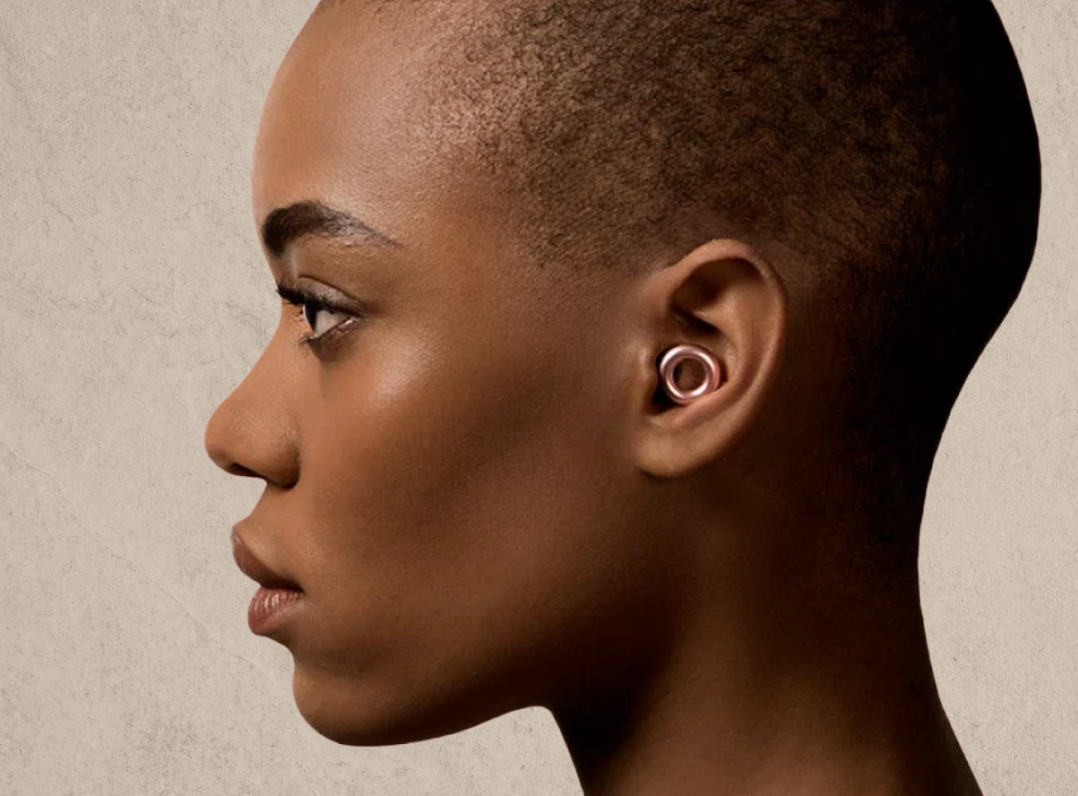
When wearing earbuds is a bit socially awkward, I use Loop ear plugs instead. They’re not powered (passive noise cancellation) but are super discreet, look pretty decent and do a good job at filtering out jarring frequencies while still enabling you to hear. They offer a range of designs for different uses. ◼
If you’re in a sensory overload spiral…
01. // Seal your ears
Pop in your earbuds and switch on active noise cancellation.
02. // Crank up the brown noise
A bit like an audible weighted blanket, brown noise is deeper and more grounding than white noise.
03. // Kill the lights
Slip on an eye mask to truly block out any light. A dark sweatshirt tied firmly around your eyes works at a push if you don’t have a mask.
04. // Get grounded
If you can, lie down on a solid, carpeted floor. Feeling something firm beneath your spine can help your brain realise you’re not actually falling.
05. // Breathe
Breathe deeply at a comfortable slow pace. If you need a pattern to follow try box breathing: In for 4, hold for 4, out for 4, hold for 4. Take as long as you need.
M. //
